


Beat Fire - Edm Gun Music Game
4.16.83K Reviews
App Specs
- Version
- 2.2.0
- Updated On
- License
- Free
- Downloads
- 50,000,000+
- Developer
- Adaric Music
- Categories
- Music
- Platform
- Android, iOS
Screenshots
 Analysis by AppCompare
I like rhythm games that give me something to do with the beat rather than asking me to watch a track go by, and Beat Fire - Edm Gun Music Game makes that idea immediately clear. It turns music into a timing challenge built around shooting tiles, so the appeal is part musical and part reflex test. If you want a quick game that makes electronic music feel active, this is an easy one to understand; whether it keeps you playing depends on how much you enjoy repeating patterns to improve your timing.
Where Beat Fire stands today
Beat Fire is a free music game from Adaric Music, with optional in-app purchases priced from $0.99 to $19.99 per item. It has a 4.1 average from around 326,000 ratings, and has been installed over 50 million times. Those figures suggest a broad audience, though popularity alone won’t tell you whether its particular mix of rhythm and tile shooting is your kind of fun. The game is rated Teen, runs on Android 6.0 or later, and its current version is 2.0.1.
The basic idea is approachable: follow the music, tap the tiles in time, and try to stay accurate as the pace and patterns become harder. That gives each session a clear goal without requiring you to learn a complicated control scheme first. I’d describe the experience as a rhythm game with an action-flavored presentation, rather than a shooter in the usual sense. The timing is the real test; the shooting theme is how the game frames it.
That distinction matters when choosing what to play. If you want an arcade game built around aiming at opponents, Beat Fire is not trying to fill that role. If you want to keep your hands busy while listening to energetic electronic music, its one-finger premise is much closer to the mark. I find that focused setup especially appealing for short breaks, when I want something more involving than simply putting on a playlist but don’t want to commit to a long session.
The Rhythm of the Game
From the moment I launched Beat Fire, I was hooked by its unique gameplay mechanics. Imagine a DJ set where instead of spinning discs, you’re shooting tiles to the beat of electrifying EDM tracks. The game challenges you to keep up with the rhythm, and trust me, once you start, you won’t want to stop.
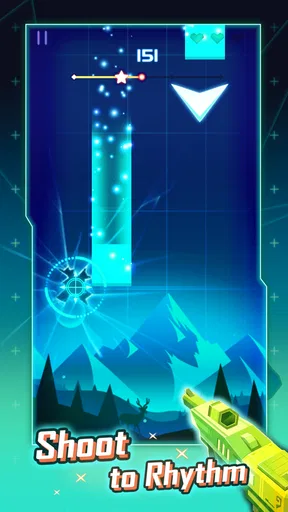
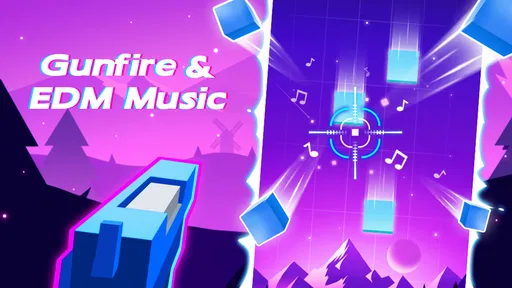
The interface is sleek and intuitive. As soon as the game begins, tiles start falling from the top of the screen. Your task? Tap and shoot them in time with the music. It sounds simple, but as the beats get faster and more complex, your fingers will be dancing across your screen.
Visuals and Soundtrack
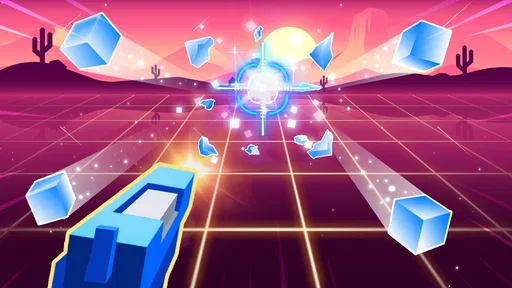
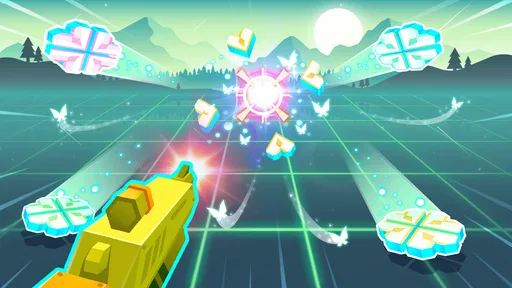
One of the highlights of Beat Fire is its vibrant visual design. The neon graphics and smooth animations create an immersive experience that complements the music perfectly. It’s like being in a virtual nightclub where every shot you fire adds to the light show.
Worth Reading Before You Choose

Flipboard Shows What News Apps Must Do Beyond the Feed

Switching to Android Auto Means Rethinking Your Driving Routine

Google Calendar Makes a Crowded Week Easier to Manage

Ludo King Makes the Most of the Minutes Between Plans

Baby Panda World Brings Quick Play to Modern Phones, but Its Game Library Feels Busy

ESPN’s Live Game View Makes Following Close Games Easier
And let’s talk about the soundtrack. The game features a variety of popular EDM tracks, each one more energizing than the last. Whether you’re a fan of bass-heavy anthems or mellower electronic vibes, Beat Fire has something for everyone. The music is not just background noise; it’s a core part of the gameplay that drives your every move.
Game Modes and Features
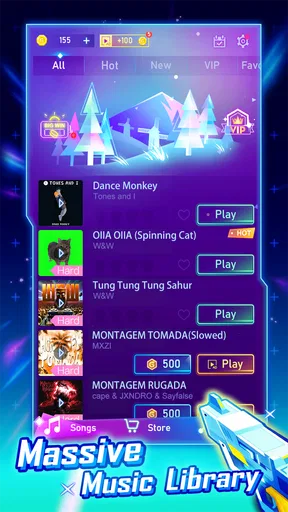
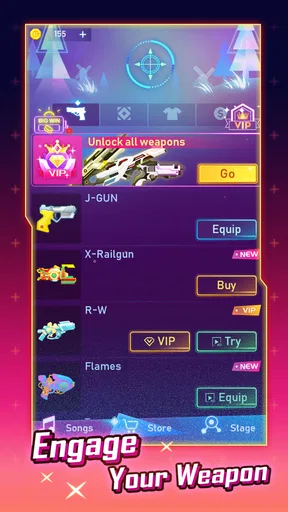
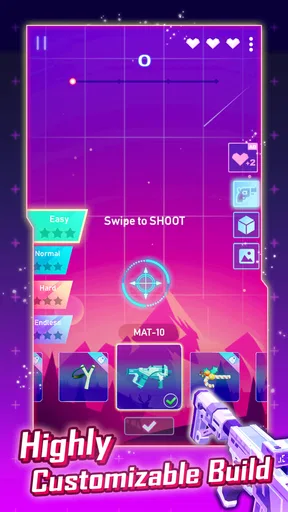
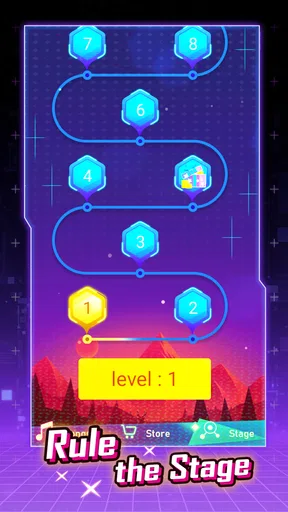
Beat Fire offers multiple game modes to keep things fresh. You can start with the classic mode, where you progress through levels of increasing difficulty, or jump into the endless mode for a non-stop barrage of beats and tiles. The progression system is rewarding, with unlockable songs and skins that add a layer of personalization to your experience.
Customization is another strong point. As you play, you earn coins that can be used to unlock new songs and gun skins. It’s a great incentive to keep playing and perfect your skills. Plus, the option to customize your game makes it feel uniquely yours.
Making sessions work for you
In practice, the difference between a satisfying run and a frustrating one is often where and how you play. I’d choose a quiet moment when I can hear the beat clearly and keep the phone steady. On a noisy commute, visual cues may help, but missing a musical accent can make a rapid pattern feel much less intuitive. That’s a useful distinction for anyone deciding whether this can be a reliable travel game: it suits a seated break better than a crowded moment when attention is split.
A small habit that helps in rhythm games is to look slightly ahead of the tile you’re tapping rather than staring at the exact point of contact. That gives your hands a moment to prepare for the next change in the pattern. I also wouldn’t treat every miss as a reason to restart immediately. Playing through a difficult section can reveal its rhythm, while restarting is more useful when you’re deliberately trying to improve a clean run.
The visual effects add energy, but they can also compete with the notes for attention if you’re still learning a track. When accuracy matters more than spectacle, I’d focus on the tile pattern and the musical pulse instead of following every flash on screen. That’s a practical trade-off: the presentation helps the game feel lively, yet the clearest play comes from keeping your attention on timing.
How its progression changes the appeal
The unlocks give a reason to return, but they work best as a side benefit rather than the only goal. I’d choose a track because I enjoy its pace or want to practise its pattern, then let coins and cosmetic options make that progress feel tangible. If you play solely to collect everything, the repetition may become more noticeable than the music. The game is at its strongest when the soundtrack itself is part of the reward.
For a new player, classic mode is the sensible place to learn how the game communicates timing and difficulty. Endless mode makes more sense once you’re comfortable reacting without a clear stopping point. That distinction can help you match a session to your mood: use a structured run when you want a focused challenge, and an extended one when you simply want to stay with the beat. Neither approach changes the core demand for accurate taps, so the choice is about pacing rather than a different style of play.
Beat Fire has been available since November 5, 2019, and version 2.0.1 is its current release. Those facts show that it has a history beyond a newly launched experiment, but they don’t establish which features changed between releases. I’d separate that confirmed product history from any expectation of future additions: a long-running game may continue to evolve, but I wouldn’t install it on the promise of a particular new song, mode, or update.
Who will enjoy it—and who may not
I’d recommend Beat Fire to someone who likes electronic music, enjoys improving through repetition, and wants a simple touch control with a meaningful timing challenge. It can fit into a short pause between tasks, or into a longer session when you’re trying to get comfortable with a tricky rhythm. A realistic use case is taking a few minutes after work to play one focused run, then stopping when you’ve had enough rather than letting an endless session stretch on by accident.
It’s less suitable if you want a broad music library you can freely browse, a conventional rhythm-game setup built around note lanes, or a shooter where aiming and enemies are central. Beat Fire’s identity is narrower: the tiles, the beat, and the act of tapping accurately. Someone who mainly wants background music would be better served by a music player, while a player looking for deep combat mechanics should choose an action game instead. The Teen rating is also worth noting when deciding whether it is appropriate for a younger player.
Compared with a standard music or rhythm game, the gun-and-tile framing gives each input a more physical, arcade-like feel. Compared with a conventional shooter, it places far more weight on listening and timing than on tactical decisions. That makes it a useful middle ground for people who like the pulse of rhythm play but want a more immediate visual action cue. The trade-off is that anyone seeking complex composition tools, precise instrument simulation, or varied combat will likely find the central loop too focused.
Challenges and Community
Feeling competitive? Beat Fire includes challenges and leaderboards that allow you to compete with friends and players worldwide. Nothing beats the thrill of seeing your name climb up the ranks as you master the beats. It adds a social element to the game that keeps you coming back for more.
Moreover, the community aspect is alive and thriving. The developers frequently update the game with new songs and features, often taking feedback from players. It’s clear they’re committed to keeping the game fresh and engaging.
What to consider before settling in
For me, the main practical question is whether the rhythm remains enjoyable after the novelty of the shooting presentation wears off. If you like replaying a song to improve a score or become more consistent, that loop can be satisfying. If you need every session to introduce a completely different mechanic, the focused format may start to feel repetitive. I’d try it with the expectation of refining timing, not unlocking a constantly changing set of ways to play.
The free entry point makes it easy to sample the game, but optional purchases are a real consideration if you’re sensitive to in-game spending. I’d start by playing without buying anything and see whether the available progression feels worthwhile on its own. Treat the listed item range as a reminder to check purchase prompts carefully, especially if a child will be playing on a device where purchases are possible. The game can be enjoyed as a free download, but that does not mean every optional item is free.
People often wonder whether it is easy to pick up: the tap-based premise is simple, while the challenge comes from keeping pace as patterns grow more demanding. They may also wonder whether they need to be an EDM fan. I think liking electronic music makes the soundtrack more engaging, but the more decisive factor is enjoying music-led timing. If you dislike repeating a pattern to improve, the genre itself may not be enough to make the game click.
Another reasonable question is whether it works well for a quick session. Its clear, focused loop makes short play natural, although I’d avoid starting when I need to watch my surroundings or split attention between the screen and something else. Rhythm depends on concentration, and a brief interruption can break the flow. For a relaxed moment with headphones or a quiet room, it is a better fit than for a situation where you can only glance at the display.
If you already play rhythm games, I’d approach Beat Fire as a variation on the familiar timing challenge, not a replacement for every other music game. Its visual action cue may feel refreshing, while players who prefer a traditional lane layout or a broader musical range may still favour their usual choice. Existing players should judge the current version on the game they can play now, rather than assuming the release history guarantees a specific future direction. What I’d watch for in any later release is whether new content meaningfully broadens the experience or simply adds more reasons to repeat the same loop.
If you’re someone who loves EDM and enjoys a good challenge, Beat Fire is a must-try. It marries the excitement of rhythm games with the satisfaction of a good shooter, creating a unique and addictive experience. Whether you’re killing time on your commute or unwinding after a long day, this game is a fantastic way to immerse yourself in music and action.
So, why not give it a shot? You can download Beat Fire on both Android and iOS, and trust me, you won’t regret it. Just remember to keep your fingers nimble and your ears open to the beat. Happy gaming!
Pros
- Engaging rhythm-based gameplay.
- Stunning visual effects.
- Wide variety of EDM tracks.
- Intuitive controls for all ages.
- Offline mode available.
Cons
- Ads can be intrusive.
- Limited song library without purchase.
- Graphics might lag on older devices.
- In-app purchases can be pricey.
- Repetitive gameplay after a while.
FAQs for Beat Fire - Edm Gun Music Game
What is the main objective of Beat Fire - Edm Gun Music Game?
Beat Fire is a rhythm-based game where players must tap the screen to shoot tiles as they fall in sync with the music. The primary goal is to hit the tiles at the right moment to create a seamless musical experience. The game combines elements of EDM music with a shooting mechanic, offering a unique musical rhythm challenge.
Is Beat Fire suitable for all ages?
Yes, Beat Fire is designed to be appropriate for all ages. Its colorful graphics, easy-to-understand gameplay, and catchy music make it accessible to both younger players and adults. However, parents might want to supervise younger children to ensure they understand the in-app purchase options available within the game.
Does Beat Fire require an internet connection to play?
Beat Fire can be played offline, making it a great option for on-the-go entertainment. However, connecting to the internet may be necessary for updates, accessing additional features, or engaging with the community aspects of the game, such as leaderboards or social sharing.
Are there in-app purchases in Beat Fire?
Yes, Beat Fire offers in-app purchases that allow players to enhance their gameplay experience. These purchases can include unlocking additional songs, removing ads, or acquiring special themes and skins. Players should be mindful of these options to manage their expenses within the game.
What platforms is Beat Fire available on?
Beat Fire is available on both Android and iOS platforms. This wide availability allows players to enjoy the game on various devices, whether they have an Android smartphone or an iOS device like an iPhone or iPad. Simply visit the Google Play Store or the Apple App Store to download.


